

In today's rapidly evolving landscape of financial services, the interplay between technology and leadership innovation is more crucial than ever. As early-stage growth companies strive to carve out their niches, they are not only adopting advanced technologies but are also recognizing the profound impact of emotional intelligence on their journey. The ability to connect with teams, clients, and stakeholders through effective communication and an understanding of emotions has emerged as a cornerstone of successful leadership in an increasingly tech-driven environment.
Tech visionaries understand that leveraging emotional intelligence is a key strategy for fostering leadership momentum. By cultivating management competency and promoting independent thought within their organizations, these leaders can navigate the complexities of capital management and business growth. The future resides not just in mastering technological innovations but in creating a thriving culture that emphasizes team dynamics and encourages a holistic approach to business strategy, ultimately leading to sustainable success in the financial services sector.
The Role of Emotional Intelligence in Leadership
Lerarn More from Dionne Van Zyl
Emotional intelligence is a cornerstone of effective leadership, particularly in the fast-paced and complex environment of tech-driven financial services. Leaders who possess high emotional intelligence can understand their own emotions and those of their team members, fostering stronger relationships and creating a cohesive work environment. This ability to connect on an emotional level helps in navigating challenges and implementing innovative strategies that align with the rapidly changing landscape of financial services.
In early-stage growth companies, where agility and adaptability are paramount, emotionally intelligent leaders can inspire their teams to embrace change and drive business growth. By promoting open communication and encouraging independent thought, these leaders cultivate an atmosphere where team dynamics thrive. This not only enhances workplace morale but also enables the organization to leverage advanced technology effectively while maintaining a focus on capital management and financial intelligence.
Moreover, emotional intelligence enhances management competency by equipping leaders with the skills to handle conflicts and motivate their teams. Leaders who demonstrate empathy and understanding can engage their employees more meaningfully, which translates into improved performance and innovation. As the financial services industry continues to evolve, the integration of emotional intelligence in leadership becomes increasingly essential for sustainable success and leadership momentum.
Innovative Leadership Strategies for Tech-Driven Financial Services
In the fast-paced world of tech-driven financial services, innovative leadership is paramount for navigating complexity and achieving sustainable growth. Leaders must embrace transformational strategies that foster a culture of adaptability and continuous improvement. By prioritizing emotional intelligence, they can create an environment where team dynamics thrive. This allows for independent thought and encourages employees to contribute their unique perspectives, ultimately driving innovation in business strategy.
To effectively manage advanced technology, leaders should invest in developing their management competency. This includes cultivating skills that enhance workplace communication and collaboration among teams. By implementing tools that facilitate knowledge sharing and streamline processes, leaders can empower their teams to better respond to market demands. Additionally, leveraging data analytics can provide insights that inform decision-making and capital management, ensuring that organizations remain competitive.
Furthermore, leadership momentum is achieved through a clear vision and strategic alignment within early-stage growth companies. It is essential for leaders to articulate a compelling direction that inspires their teams. By setting achievable goals and celebrating milestones, leaders foster an atmosphere of motivation and engagement. This approach not only enhances organizational resilience but also positions companies to capitalize on opportunities in the rapidly evolving financial services landscape.
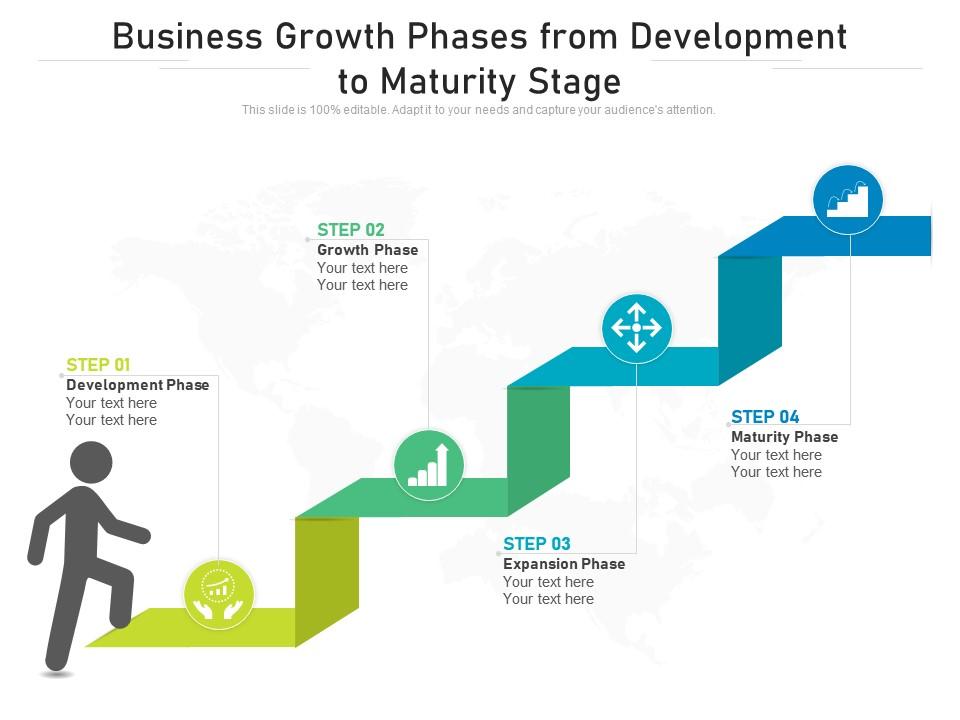
Harnessing Advanced Technology for Business Growth
In the fast-evolving landscape of financial services, leveraging advanced technology has become paramount for early-stage growth companies seeking to enhance their business growth. Technologies such as artificial intelligence, machine learning, and blockchain offer transformative capabilities that can optimize operations, improve customer experiences, and streamline processes. By adopting these innovations, organizations can not only increase efficiency but also position themselves as industry leaders ready to meet the demands of a competitive market.
Moreover, the integration of advanced technology fosters a culture of data-driven decision-making. With access to real-time analytics and insights, financial services firms can refine their business strategies, making informed choices that align with their growth objectives. This shift towards quantitative management enhances capital management practices and enables teams to respond proactively to market fluctuations, thereby reinforcing their leadership momentum. The ability to monitor performance metrics closely allows companies to pivot quickly and seize emerging opportunities.
Finally, successful implementation of technology also hinges on robust workplace communication and independent thought. Encouraging team dynamics that embrace creative problem-solving and innovative ideas can lead to groundbreaking developments in financial intelligence. As technology continues to evolve, leaders who prioritize emotional intelligence will be better equipped to inspire their teams, guiding them through change while fostering an adaptable work environment. This synergy between technology and human insight is crucial for sustaining business growth in the tech-driven financial landscape.
Capital Management in Early-Stage Growth Companies
Effective capital management is crucial for early-stage growth companies, particularly in the fast-evolving landscape of financial services. These companies often operate under tight cash flow constraints and need to allocate their resources strategically to ensure sustainability and growth. This requires leaders to develop a keen understanding of financial intelligence, efficiently balancing short-term needs with long-term goals. By leveraging advanced technology and data analytics, leaders can make informed decisions that optimize their capital structure and support ongoing innovation.
Emotional intelligence plays a significant role in capital management, as leaders must navigate complex relationships with investors, stakeholders, and team members. The ability to communicate effectively and foster trustworthy connections can enhance collaboration, providing the necessary support for financial initiatives. Leaders who demonstrate empathetic listening and independent thought can create an environment where team dynamics thrive, encouraging creative solutions to financial challenges. Such a culture is vital for attracting investment and building confidence among stakeholders.
Ultimately, the success of capital management in early-stage growth companies hinges on a robust business strategy that integrates innovative leadership approaches. Leaders must continuously assess their financial plans and adjust them in response to market conditions and the evolving needs of the organization. By combining management competency with a focus on emotional intelligence, these leaders can foster an agile financial environment that not only supports business growth but also positions their companies for long-term success in the competitive financial services sector.
Building Effective Workplace Communication
Lerarn More from Dionne Van Zyl
Effective workplace communication is critical in tech-driven financial services where innovation thrives on collaboration. Fostering an environment where team members feel comfortable sharing ideas and providing feedback can significantly enhance creativity and problem-solving. Companies need to create channels that encourage open dialogue, ensuring that communication flows seamlessly between all levels of the organization. This can be achieved through regular check-ins, team meetings, and dedicated platforms for sharing insights and updates.
Emotional intelligence plays a vital role in this dynamic. Leaders who possess high emotional intelligence are better equipped to navigate complex interpersonal relationships, deciphering both verbal and non-verbal cues from their teams. By modeling empathy and active listening, leaders can cultivate a culture where team dynamics are strengthened, and individuals feel valued. This supportive environment not only boosts morale but also promotes independent thought, allowing employees to express their ideas and concerns more freely.
In addition to fostering emotional intelligence, advanced technology can amplify communication effectiveness. Tools such as collaborative software and project management applications can streamline interactions, making it easier for teams to coordinate efforts and track progress. By integrating these technologies, early-stage growth companies can enhance their business strategy, driving engagement and ensuring that everyone is aligned towards common goals. This strategic approach ultimately leads to improved business growth and stronger leadership momentum within tech-driven financial services.
The Impact of Team Dynamics on Leadership Success
Effective leadership in tech-driven financial services is heavily influenced by the dynamics within a team. When team members collaborate harmoniously, innovation flourishes, leading to significant advancements in business growth and strategies. Leaders who understand and cultivate positive team dynamics can foster an environment where independent thought is encouraged, ultimately propelling their organizations forward in a competitive landscape.
Moreover, emotional intelligence plays a crucial role in shaping team interactions. Leaders with high emotional awareness can navigate the complexities of workplace communication, enabling them to address conflicts and maintain a cohesive unit. This competency allows leaders to build trust and motivate their teams, which is essential for sustaining momentum in early-stage growth companies. As a result, the alignment of team dynamics with leadership styles significantly influences overall capital management and financial intelligence.
Lerarn More from Dionne Van Zyl
Finally, understanding the interplay of team dynamics and leadership can unlock new opportunities for innovation. When leaders actively engage in managing team relationships, they create a culture of collaboration and shared vision. This culture ensures that ideas are freely exchanged and refined, resulting in innovative solutions that drive business success in the fast-evolving financial services sector. By prioritizing these dynamics, leaders not only enhance their effectiveness but also position their companies for long-term growth and success.
Developing Management Competency for the Future
As the financial services landscape evolves, the demand for management competency becomes increasingly critical. Leaders in early-stage growth companies must cultivate a blend of technical skills and emotional intelligence to navigate the complexities brought by advanced technology. This dual focus enables leaders to provide clear strategic direction while fostering an inclusive environment that nurtures team dynamics and individual contributions. By prioritizing these competencies, organizations can ensure they are well-equipped to tackle future challenges and seize opportunities for business growth.
Lerarn More from Dionne Van Zyl
Furthermore, effective workplace communication stands at the core of strong management competency. Leaders must be adept at articulating their vision, engaging their teams in meaningful dialogue, and encouraging independent thought. This empowers employees to take ownership of their roles and enhances collaboration across departments. By instilling a culture of open communication, leaders can drive innovation and creativity, ultimately leading to improved capital management and financial intelligence within the organization.
Lastly, maintaining leadership momentum requires a commitment to continuous learning and adaptation. As advanced technology reshapes the financial services sector, leaders must stay ahead of industry trends and embrace innovative strategies. This not only involves upskilling in relevant technologies but also leveraging emotional intelligence to connect with team members and stakeholders. By integrating these elements into their management approach, leaders can cultivate resilient and dynamic organizations prepared to thrive in an ever-changing environment.